
Light Layers That Transform Your Home

Step into Lighting-Driven Redesigns: Layering Illumination to Refresh Your Space, where thoughtful ambient, task, and accent sources collaborate to reset mood, function, and character. We’ll share proven techniques, tiny weekend projects, and a few memorable before‑and‑after stories, so you can experiment confidently tonight. Ask questions, compare notes with other readers, and tell us which corner of your home you’re ready to brighten, soften, or spotlight first.

The Power of Layers: Ambient, Task, and Accent

Ambient Foundations

Ceiling pendants, recessed cans, or big diffused shades create the baseline glow that calms edges and lets furnishings breathe. Aim for even coverage, bounce light off ceilings, and keep color temperature consistent. A dimmer instantly shifts movie nights, cleanup sessions, and early breakfasts.

Task Brilliance

Desk lamps, under-cabinet strips, and articulated sconces focus output exactly where hands and eyes work hardest. Prioritize glare control, high CRI for accurate color, and switchable levels for fatigue-free comfort. A narrow beam on chopping boards prevents shadows and speeds dinner prep safely.

Accent Drama

Picture lights, toe-kick LEDs, and bookshelf spots add depth, emphasizing textures, art, and plants that deserve attention. Think asymmetry, layered beam widths, and visual rhythm. Even one low-watt uplight behind a ficus can conjure evening magic, softening corners and lifting ceilings without clutter.

Harnessing Daylight and Reflection

Natural light is the most flattering collaborator, yet it changes hourly. We’ll study window orientation, sheer layers, and reflectance values to keep mornings crisp and afternoons gentle. Mirrors, pale ceilings, and satin finishes bounce brightness deeper, while shades, trims, and rugs tame glare and hotspots gracefully.

Color Temperature, CRI, and Bulb Choices

Color isn’t decoration alone; it’s perception. Choose Kelvin values that match activities, and favor high Color Rendering Index for truer textiles, food, and skin tones. We’ll compare LEDs, halogens, and smart tunables, translating specs into feelings: cozy, alert, romantic, or gloriously productive.

Warm to Cool Intent

2700K invites relaxation; 3000K balances clarity with comfort; 4000K sharpens focus for workshops and closets. Keep one range per zone to avoid patchwork vibes. Dimming warm technology mimics sunset, easing evenings, while cooler scenes encourage morning chores without caffeine overload.

High-CRI Advantages

A CRI of 90+ helps wood grain glow, herb greens look edible, and makeup shades match daylight. It safeguards your purchases by revealing true fabric tones. Try side-by-side bulbs one evening and photograph results; the difference will surprise and guide confident decisions.

LED Form Factors

From filament-style A19s to miniature puck lights and flexible strips, form determines effect. Check beam angles, diffuser quality, and flicker metrics. Retrofit kits revive dated cans, while magnetic under-shelf bars snap into rentals effortlessly, letting you keep deposits and still enjoy sophisticated glow.

Living Room Conversation Glow

Begin with a dimmable pendant or multiple globes for soft coverage, then place two lamps at seated height to illuminate faces without glare. Add a narrow-beam spotlight for art or plants. Turn off the TV backlight occasionally and listen to voices become warmer.

Kitchen Precision with Warmth

Blend bright prep lighting with cozy zones for lingering. Under-cabinet strips at the cabinet front kill shadows on counters, while pendants over islands double as sculptural anchors. Dimmers transition from homework to appetizers flawlessly, keeping stainless reflections controlled and appetites eager.

Bedroom Serenity and Control

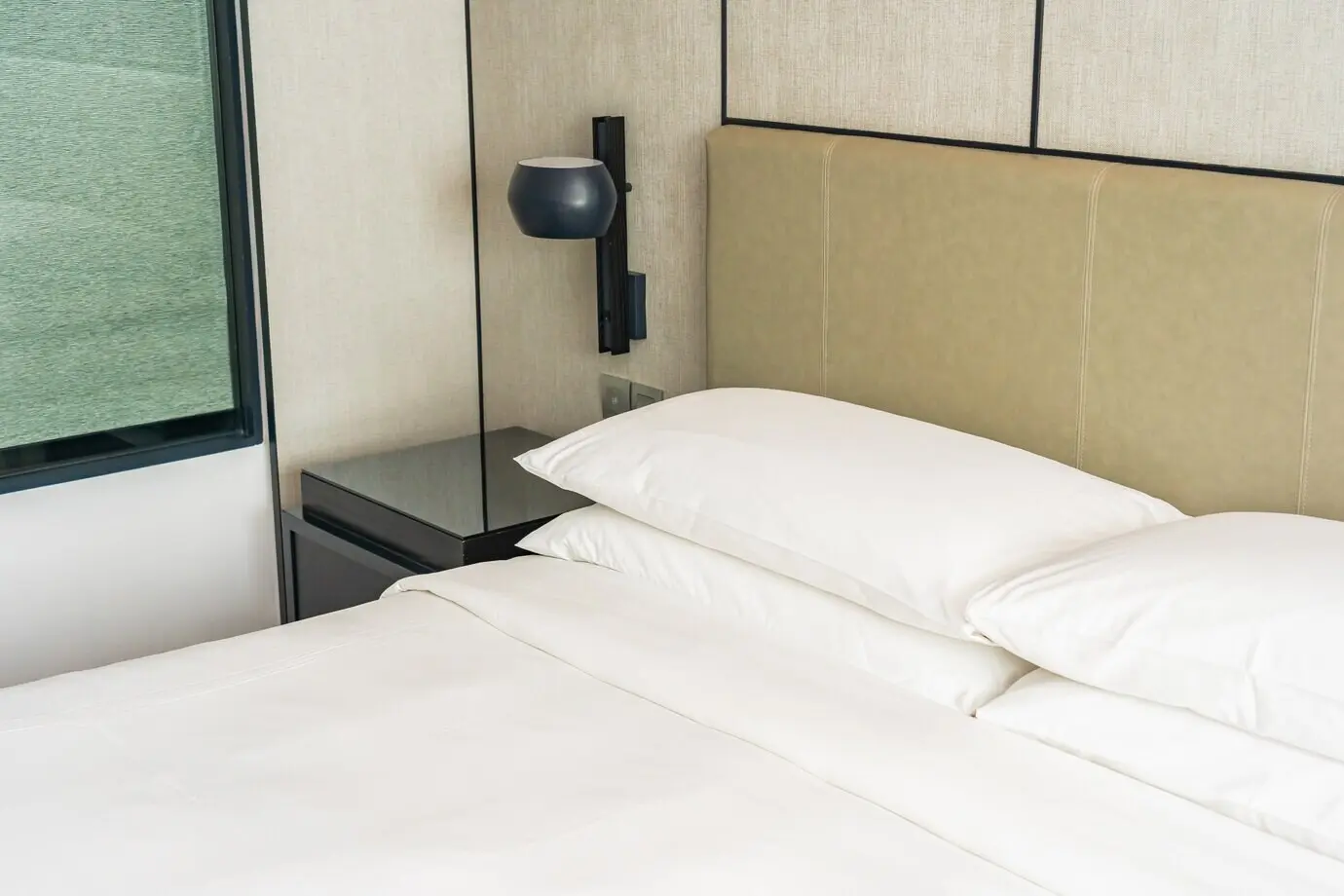
Layer small, warm bedside lamps with concealed cove or headboard LEDs to float the wall softly. Add a motion-activated night path to baths. Try a five-minute routine: dim main source, switch to amber, breathe deeply, and notice how your pulse slows appreciably.

Room Playbooks You Can Borrow

Different rooms reward different balances. We’ll sketch reliable starting points, explain why they work, and suggest tweaks for budgets and layouts. Expect real-life wins: a cramped living room opened with wall washing, a tired kitchen sparked by under-cabinet runs, and a bedroom finally quieted.

Smart Controls, Dimming, and Scene Crafting

Controls translate intention into everyday ease. Pair dimmers with each layer, add smart switches where wiring limits options, and set scenes for routines. Sunset shifts, occupancy sensors, and slow fades protect circadian rhythms, save energy, and make late returns feel welcoming instead of jarring.

Layered Dimming Curves

Not all sources dim equally. Choose drivers and bulbs rated for smooth low-end performance to avoid stepping, flicker, or color shift. Program different fade times per layer so rooms transition like theater cues, gently guiding attention from tasks to conversation and rest.

Scenes for Daily Rhythms

Create presets for Waking, Working, Cooking, Dining, and Unwinding. Tie each to brightness and color targets, then add schedules. One reader reported fewer arguments after dinner because the lights signaled cleanup time kindly, dissolving guesswork and keeping dishes moving like clockwork.

Voice and Automations

Hands full of groceries? A quick phrase or geofenced arrival can lift entry lighting before keys hit the bowl. Combine occupancy with ambient-light sensors so fixtures ignore sunny afternoons. Privacy matters, so choose local control options when possible and update firmware regularly.

Swap Bulbs, Not Fixtures

Changing color temperature and CRI often beats buying new hardware. Try one room with 90+ CRI, mix beam angles, and photograph results before and after. Small tweaks refine mood, making thrift feel like design, not compromise, and teaching your eye quickly.

Plug‑In Solutions That Travel

Clamp lights, plug‑in sconces, and portable uplights move between rentals and rooms as needs evolve. Use cord covers and felt pads for tidy, landlord-friendly installs. When you relocate, the glow comes along, preserving comfort and cutting setup time in the next place.

DIY Shades and Diffusers

Rice paper, translucent acrylic, and linen remnants soften hotspots gracefully. Always keep clearance from hot bulbs and follow ratings. A weekend project can transform a bare bulb into a gentle cloud, reducing harshness and elevating everything nearby, from houseplants to framed vacation prints.
Rarepetomomanezokola
Privacy Overview

This website uses cookies so that we can provide you with the best user experience possible. Cookie information is stored in your browser and performs functions such as recognising you when you return to our website and helping our team to understand which sections of the website you find most interesting and useful.